
Academic Disability Accommodations at College
What They Are and Why They Change
DISCOUNT ENDS JANUARY 31!
As part of her action plan for parents, Elizabeth is offering this webinar for just $10 through January 31, 2026. Use code SWD26 at checkout to receive this price. (Professionals are also wecome to use the code.) Not subscribed to Elizabeth’s free 2x/monthly newsletter or Substack or following her on social channels? See the action plan here.
The information you’re getting from others about what accommodations are and aren’t approved at college is wrong.
How does Elizabeth know?
She’s been working in college disability services (DS) offices for 20+ years. Elizabeth is active in her professional community and keeps up with research and policy changes so she can share both real-time insight and national trends.
Many of the folks you’re getting advice from have never worked in a college DS office. They think they know what’s happening, but they’re missing important nuances in how accommodations are handled, and sometimes they’re flat-out wrong.
Elizabeth works inside the offices where the decisions are made. She’s the one reviewing documentation, confirming it meets the university’s standards, and recommending which accommodations should be approved. While others may speak from related roles or past experience, Elizabeth brings an insider’s view of how colleges actually make these calls.
This is why she is go-to expert on preparing students with disabilities for college success. She’s the author of three editions of the go-to resource for families and professionals alike – Seven Steps to College Success: A Pathway for Students with Disabilities. (Bloomsbury), which has sold nearly 4000 copies since its most recent revision in 2023. And it’s why schools, districts, and organizations all over the country invite her to present. This is your chance to learn from her on your own time, and be able to pause, rewind, and rewatch.
What You’ll Learn in the Course
This webinar takes a deeper look at academic accommodations and includes real-life examples of college disability services registration forms and processes.
- How college disability services offices operate
- Why changes in prevailing laws mean some supports students had in high school won’t be available in college
- What students must do to request accommodations
- Why some students may not be found eligible for accommodations
- What accommodations are commonly approved, which ones are not, and why
- A step-by-step example of a real college’s registration process
- What registration forms actually ask students to explain about their disability and accommodations
- Additional responsibilities students may have in managing accommodations that they haven’t had to handle before
- Accommodations without modifications- why colleges provide accommodations without modifications, the difference between them, and how misunderstanding the difference leads to false expectations about support
- Distinctions between accommodations that are considered reasonable (which colleges provide) and modifications that change class and program expectations (which they don’t)
Course Webinar
$14.95
What’s included?
- 1 hour video on preparing students for successful college transition
- Handouts from the video to download
Why do you need to know about this now?

You’ve spent years advocating for your student. Their plan includes accommodations that you think are important to their success.
What you need to know is that these supports may not be available to your student in college. You and your student may decide to keep them anyway, or you may decide that (as the research shows), the focus of their transition planning should shift to teaching them strategies and paring back those accommodations to give them better preparation for college.
Whatever decision you make, it needs to be made on the facts.
Preparing students for a successful transition to college requires an accurate understanding of what college does and does not provide. Waiting until college is around the corner means missing key opportunities to prepare. Start now, while there’s still time to build the right foundation.
IEPs written in high school should help students develop the skills they will need to manage the demands in the absence of certain supports. For planning to be effective, you need to have an accurate sense of what they might receive and what is unlikely to be available.
Your student should graduate confident that they are ready. If you wait too long to learn the realities of the college environment, your student’s plan may not include the preparation they truly need.
Watch a brief video sample
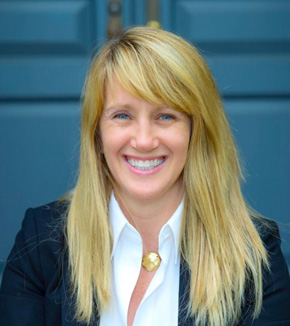
Elizabeth Hamblet
Elizabeth C. Hamblet has worked both ends of the college transition. She began her career as a high school special education teacher and then began working at the college level in the late 1990s. She is now at her third university, where she helps students with time management, organization, reading, and study skills.
In 2008, Hamblet began offering programs to families and professionals on transition to college for students with disabilities, speaking locally and at national conferences. In addition to being a requested presenter, she is also a contributing writer for Disability Compliance for Higher Education, a journal for higher education disability professionals. Her work has also appeared in the Journal of College Admission, Teaching Exceptional Children, ADDitude Magazine, Attention, Raising Teens, and Career Development for Exceptional Individuals, and on platforms like Understood.org and ADDitudemag.com.
Hamblet is the author of From High School to College: Steps to Success for Students with Disabilities, published by the Council for Exceptional Children, and a laminated guide on college transition, available from National Professional Resources. The newest edition of her book will be out mid-2022.
