
Elizabeth C. Hamblet – Speaker
You’ve been looking for someone who really knows the college disability services system from the inside – an experienced professional who can help faculty, staff, and families understand how disability services actually work at the college level so they can prepare students for what happens there and – importantly – what doesn’t.
You’ve found her.
For more than 20 years, Elizabeth C. Hamblet has worked in college disability services offices. It is this experience that makes her the sought-after speaker on preparing students with disabilities for college success.
Hamblet is the author of the popular book Seven Steps to College Success: A Pathway for Students with Disabilities (Bloomsbury, 2023) and a respected expert on preparing students with disabilities for successful college transition.
Groups and districts across the country seek Elizabeth out because her presentations are clear, practical, and grounded in the research and in real college processes. She’s the insider parents want to hear from and professionals need to hear from to make sure that planning during students’ high school years truly prepares them for the college environment.
One-Hour Presentation Topics
Choose from a one-hour or all-day program. Limited presentation slots are available each month.
Book a Presentation now to get your desired date and time.
A) Preparing Students with Disabilities for Successful College Transition
The transition from high school is challenging for any high school student. For students with disabilities, it also presents a disability services system that is very different from the one they knew in high school, but with the proper preparation, students can enjoy success! Elizabeth C. Hamblet, college learning disabilities specialist and author of Seven Steps to College Success: A Pathway for Students with Disabilities, explains the shift in relevant laws as students move to college, how the system for accommodations works there, what is commonly available, and some tips for how to help students find the right level of support.
B) Understanding Shifting Laws in College Transition for Students with Disabilities
Colleges have to provide accommodations to students with disabilities. But the prevailing laws have very different mandates for colleges than they do for high schools, and this means there are changes in what accommodations may be available. Gain a deep understanding of the differences in what the laws require colleges to do (or not) and why, and learn about some commonly-approved accommodations and a few that are students may get in high school but not in college.
C) The College Disability Services System: Accommodations and Students’ Responsibilities and Rights
High school students with disabilities may be looking forward to “freeing” themselves of their special education status at college. What most don’t know is that there is no special education. There is system for receiving accommodations, but there operates in a way that provides much more discretion, and it even requires them to initiate the process. Learn how students access accommodations, what might be available (or not) and why, and how the college system grants students flexibility in using their accommodations and privacy around their disability.
D) College Accommodations: Why They Change and What Is Commonly Available (or Not)
As students make the shift to college, they’ll find accommodations are available, but because of shifting laws that bring different mandates, there are categories of accommodations colleges don’t have to provide. This presentation takes a deep dive on accommodations colleges commonly approve and those they don’t – and why. (You may be surprised.) It also reviews process students have to follow for requesting accommodations and dives into the kinds of information students are likely to need in order to do so.
E) How to Make Reports More Helpful for Students Headed to College
Psychologists, neuropsychologists, and learning disabilities specialists want to make sure reports they write for college-bound students contain the information that will give them the self-knowledge they need to self-advocate, and that the reports contain what colleges may expect to see. You also want to make sure families know how colleges might view a student’s eligibility for accommodations, so that they have appropriate expectations for what may happen when their student registers with their college’s disability services office. Learn how old documentation may or may not need to be (you may be surprised!) what kinds of measures colleges may require and how they might want results reported, what should be in the history, and what might be helpful added details that may help your student have a smooth process when they register for disability accommodations at college.
Elizabeth also offers day-long professional development presentations. See the list of topics covered here.
DID YOU KNOW…
- Colleges do not follow IEPs or 504 Plans. Despite what you may have heard, both expire once students graduate high school. If your school/district is moving students from an IEP to a 504 before they graduate because you’ve been told they “travel to college,” you need to get the facts.
- Students are responsible for initiating the process to receive accommodations and (if approved) play a leading role in their implementation. They can’t expect staff to do many of the things high school managers did, which is why transition planning should focus on their independence. (Learn more about this.)
- There are four categories of accommodations that colleges are not required to provide. If you don’t know what they are, the goals and objectives in your students IEPs and accommodation in the 504 plans may be interfering with effective preparation for college.
- The laws that govern college disability services do not establish what documentation colleges can or cannot require. If you’re telling students and their families that all a student needs is an IEP or 504 plan, you may put them at risk for not getting accommodations.
- While colleges must provide certain core accommodations, they are not required to provide every support students have previously received, and they can charge fees for some services they don’t have to provide. This is why building their skills during high school is so important.
Set Students Up for College Success:
Get the Facts on IEPs and 504s
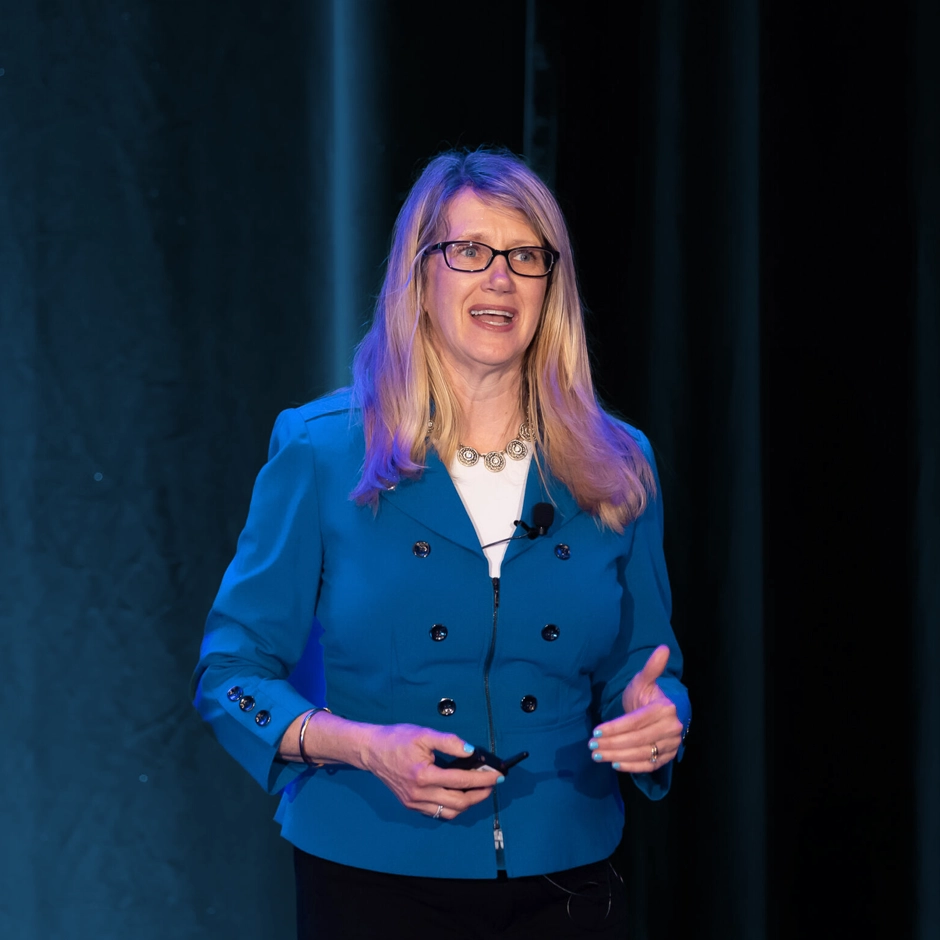
Goals and objectives in high school students’ IEPs must be informed by an accurate picture of what your students can and can’t expect at the college level, to make sure they develop the skills they’ll need to make a successful transition. Accommodations provided and skill instruction should be shaped by this knowledge. 504 Plans should also consider what supports are being provided that are or aren’t likely to be available students at college. Make sure your families, faculty, and staff are operating from the facts, not myths.
It’s Elizabeth’s long experience working at the college level that distinuishes her from other speakers and makes her the sought-after expert on this topic. She has the facts you need to ensure that the preparation your students with disabilities receive in high school will position them well for a smooth college transition.
All-Day Presentation: Key Steps for a Successful Transition
- Learn the difference between laws K-12 vs. college– reviews the changes in prevailing disability laws when students transition to college
- Learn about commonly granted (or not) college accommodations – discusses several accommodations students are likely to find available and which aren’t, and why
- Understand students’ responsibilities and rights at college – reviews what students have to do if they want to access accommodations at college, and what rights they have there
- Document a disability – outlines what paperwork students need to register for disability accommodations at college
- Develop essential skills – discusses the characteristics what the research says about the skills associated with college success, and how to help students develop these while they are still in high school [Note – this topic is not covered in brief overview programs]
- Disclosure in the admissions process & how to look at disability services during the college search – answers to some commonly-asked questions about disclosing students’ disability during the admissions process and provides suggestions for how students can research disability services at their target colleges
